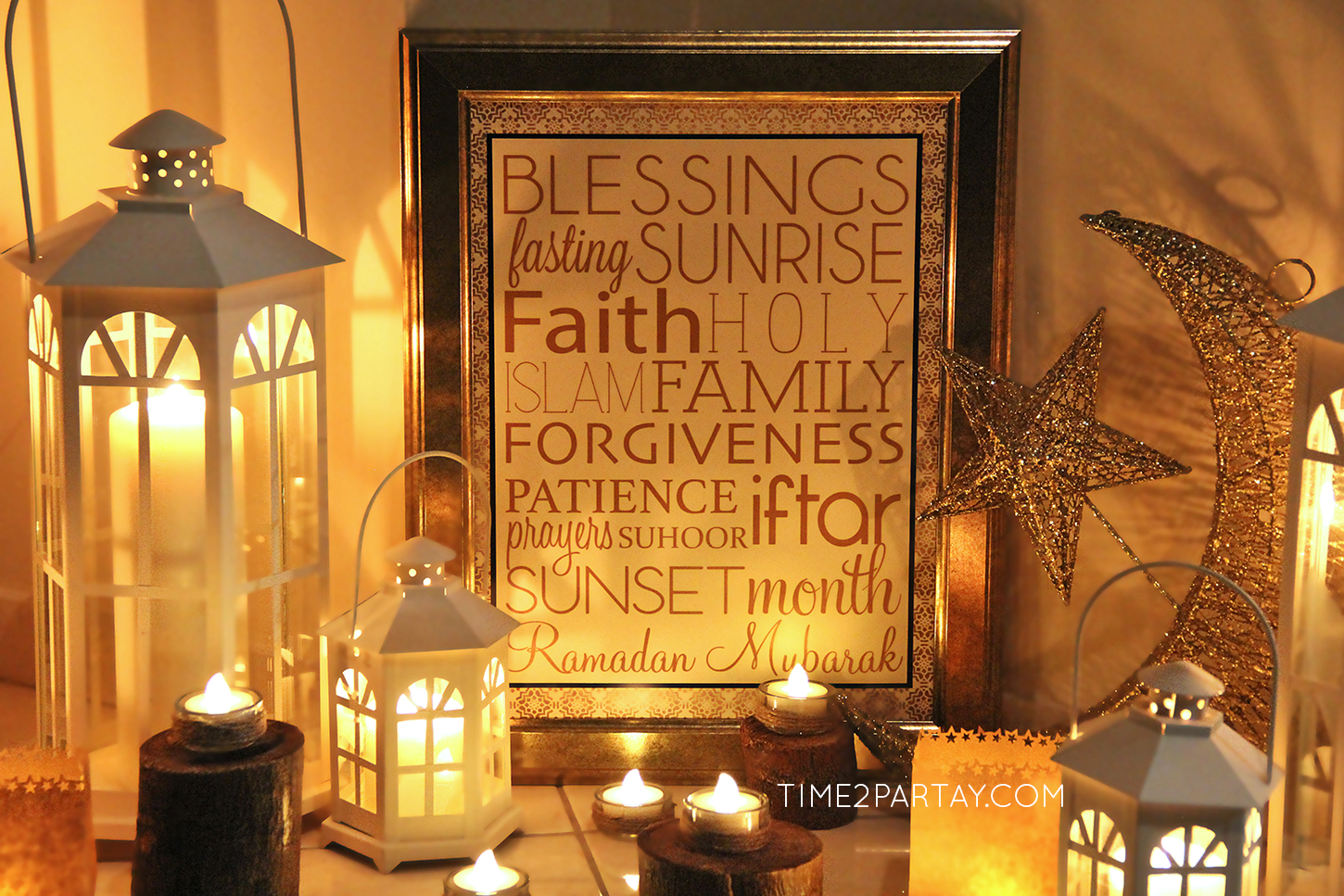
Ramadan Kareem: A month of Blessings and Positive Vibes.
Hello beautiful souls! I am almost drowned in the flood of final exams as they are at the head. Nonetheless, I waited too long to publish this blog just to acquaint you guys with the Holy month of Ramadan, which Muslims celebrate with great pleasure and passion every year.

A month when the doors of heaven are opened, and of the hell closed. A month where all the devils are chained up and only goodness prevails and exists in its refined form.
So this is a very important month for the Muslims where there is legitly magic in the air kind of vibes, and they start feeling close to God and prostrate more at nights and in days. They have a spiritual attachment with this month and feel very much closer to God and their reality. First of all, I will tell you some characteristics of Ramadan, after which I will tell you guys about the rule book of Ramadan that could be followed in order to extract the maximum blessings out of this Holy month (In the next blog).
Significance of Ramadan Kareem for the Muslims:
What is Ramadan?
The word “Ramadan” comes from the root of the Arabic word for “parched thirst” and “sun-baked ground.” Ramadan is by definition a time of sacrifice, where Muslims fast during the daylight hours all month, abstaining from all food and drink and other such practices. It’s a time to purify the soul, refocus attention on what’s important, and practice self-discipline. Unlike many other holidays, where people indulge, Ramadan is a time to show restraint.
Why do Muslims fast?
During the month of Ramadan, as a Muslim person deals with hunger and thirst while fasting, he or she is reminded of the daily suffering of those who are less fortunate and can further appreciate his or her blessings. Muslims use this time to reflect on their lives and how they can cultivate healthy habits throughout the rest of the year, and do away with any bad habits.
Ramadan is also a time for increased charitable giving and participating in family and community gatherings to strengthen bonds. Aid organizations, charities, and mosques often offer free meals to the public during non-fasting hours.
For Muslims, Ramadan fasting is not solely physical but involves emotional and spiritual aspects as well. Even if you aren’t observing Ramadan yourself, the month of Ramadan might be a good time to think about those less fortunate and have gratitude for the blessings you have in your life.
What do Muslims do in Ramadan?
1 — SIGHTING THE NEW MOON OF THE LUNAR MONTH

Muslims sight the new moon with much eager and compassion when it comes to the Holy month of Ramadan Kareem. They climb up their roofs and search for the moon with a particular supplication, that they believe will lead to a prosperous month ahead.
2 — MUSLIMS WAKE UP IN THE MIDDLE OF THE NIGHT TO EAT

The morning meal before sunrise is called Suhoor. I’ve learned over the years that there are three types of people when it comes to having Suhoor:
- those that eat breakfast items (usually some cereal)
- those that have a full-on dinner, and
- those that just sleep right through the opportunity to eat.
Many families that don’t have time to eat breakfast together throughout the year gather around the table as early as 4:30 to 5:00 a.m. to share a meal and get ready for their fast for the day.
3 — EVERY YEAR, THE MONTH OF RAMADAN FALLS ON DIFFERENT DATES

The lunar calendar is used to determine the exact start and end dates of Ramadan each year. Every year, Ramadan starts a few days earlier than the year before. This also affects the length of the fast and will mean a lot shorter fasts when Ramadan falls in the winter months.
4 — BYE-BYE TO THE LAZINESS, WORSHIP MORE TO EARN MAXIMUM POINTS:

Muslims recite the Holy Quran as much as they can and along with their regular prayers, they offer extra prayers to get the maximum blessings of God by pleasing him. The best part is that their sleep is also counted in worship.
5 — NOT ALL MUSLIMS HAVE TO FAST DURING RAMADAN

Children and those that are ill, elderly or pregnant are exempt from fasting. Instead, they either make up the fasts at a later time or donate a meal per day they miss to those less fortunate. Children sometimes partake in mock half-day fasts and join in on the delicious meals. Ramadan is a time for spiritual reflection and isn’t meant to inflict hardship on those unable to fast. Muslims will often tell you that they look forward to this time of year; in fact, children can’t wait until they can join in on the fasting fun!
6 — THE DOORS OF HEAVEN ARE OPENED, AND THE DOORS OF HELL ARE CLOSED

Prophet Muhammad, the Messenger of Allah, peace, and blessings be upon him, once said: “When the month of Ramadan begins, the gates of the heaven are opened; the gates of Hell-fire are closed, and the devils are chained.” (Sahih Bukhari 1800)
Ramadan, the month of fasting is no different than any other month as far as crimes are concerned. Sins and crime continue to take place in this month all around the world. Does this hadith mean the deviations in this month would not count? Does it mean that every sin in this month would be forgiven or does it mean that people cannot commit sin in this month?
I believe this hadith explains some key concepts of Ramadan in an allegorical manner. If we consider the language as symbolic, the hadith offers a logical and viable rationale for developing a strong conviction and appreciation of the Prophetic wisdom.
We can infer from the opening of the gates of heavens to mean that God makes our journey to the heavenly state of utmost peace and happiness effortless and accessible under His divine grace in the month of Ramadan. During this month believers have a month-long opportunity to change their lifestyle and environment to attain a higher state of self-consciousness. Such a journey would help them enjoy every moment of the month and qualify for uninterrupted mercy and blessings of the Divine in this life and the hereafter.
Closing the gates of heavens means that the Creator is eager and ready to forgive every sin committed by anyone if sincere repentance is sought. The month invites us to self-evaluation and identifying weaknesses in character followed by actions to better ourselves. In other words, forgiveness is the divine offering for this month. However, one must realize that repentance and forgiveness have to be done in a manner that is genuine. It means a person is conscious of wrong actions and is willing to change the lifestyle and never to repeat it. God says in the Quran:
“Except those who repent, make amends, and declare the truth. I will certainly accept their repentance: I am the Ever Relenting, the Most Merciful. 2:160
Chaining the devils means that God makes it easier in this month for people to control their behavior in the wake of all temptations, physical, social and spiritual. In a moment of high self-consciousness, an individual would ensure that he or she does not commit any act that would either defy the divine or reject his mercy. In other words, each believing person has to have a personal battle with one’s own ego, the biggest satanic whisper that sits in the sub-consciousness of each one of us.
Thus this month provides opportunities to earn the boundless bounties, limitless forgiveness and reigning one’s own ego. The more intense a person becomes in seeking these goals, the more beneficial the month becomes to him or her.
7 — FASTS ARE OPENED WITH DATES

At the exact moment of sunset, dates are the traditional choice to open the fast, followed by a spread of foods that often varies by culture. This meal is called Iftar. While some plain Medjool dates are perfectly fine on most days, those hosting Iftar parties may want to get creative with the presentation of their dates, which features a luscious mixture of mascarpone cheese and whipping cream.
8 — GRAND IFTAARS

Muslims break their fast by a magnificent Iftaar (the event of breaking the fast) which includes a wide range of food items, and sherbets (drinks) to quench their thirst and fulfill their all-day long hunger. Iftaar is considered to be the worldly present for them from God, while the bigger one will be given on the day of judgment.
9 — STREETS, HOMES, AND MOSQUES ARE DECORATED WITH LANTERNS AND BUNTINGS


Muslims decorate their streets and mosques with sparkling rainbow buntings and glittering lanterns that cast magic in the night. They do it as a gesture of welcome and affection for this Holy Month and to celebrate the happiness that God is distributing among them.
10 — HOME DECORATIONS IN RAMADAN
People decorate their homes with various sparkling decorations, lamps, lights, lanterns, candles, and buntings just like Christians decorate their fore places, walls, and homes with Christmas trees and stockings.


11 — THE MONTH OF RAMADAN CONCLUDES WITH A CELEBRATION CALLED EID

After 30 days of fasting, Muslims from around the world celebrate Eid. The day starts off with morning prayers and the celebration continues with friends, family and lots of food. Traditional foods vary by culture on Eid, but usually always include a delectable dessert.
Islam is a peaceful religion that teaches us love, tolerance, patience, and unity but sadly due to some filthy humans who are disguising themselves as one, its reputation is being stained. I know and wish that more and more people might come to get aware of this fact and respect every religion just like theirs. No religion teaches hatred, oppression, jobbery, superiority, and radicalism. Religions are all about love, and so we are!


Sifar
Extremely beautiful and important post! Appreciate your efforts to put this all together!! Hope Ramadan is going well and best of luck for your exams!!